Learn Land Investing in 15 Minutes (Beginner’s Guide for 2026)

What is land investing?
Land investing, also known as land flipping, is one of the simplest ways to get started in real estate. At its core, it’s the process of buying vacant land at a discounted price and reselling it for a profit. Unlike traditional real estate, you’re not dealing with tenants, renovations, or ongoing maintenance.
That’s what makes it so attractive, especially for beginners. Many landowners inherit property they don’t want, live far away from it, or simply forget about it over time. Instead of trying to maximize value, they just want it gone.
That creates an opportunity for investors to step in, buy at a discount, and resell for a profit.
Some investors flip land quickly for cash, while others offer seller financing and collect monthly payments.
Both approaches work, it just depends on your goals.
💬 Join our free Discord community
Connect with thousands of land investors, get deals reviewed, and learn faster. Click here to join.
The 9-Step Land Flipping Process
This is the exact step-by-step process beginners are using right now to get their first deals.
Step 1: Market Research (Choosing Where to Invest)
Before you start reaching out to sellers, you need to decide what kind of land you’re going after and where.
Most beginners overthink this part. You are not trying to find the perfect market, you are just trying to find a solid starting point where deals are possible.
A good beginner market usually has three things:
- Affordable land prices
- Consistent buyer demand
- Enough sales activity to understand pricing
This is where Land Portal becomes useful. Instead of guessing, you can quickly see what land is selling for and where activity is happening. Once you choose a market, the key is to stay focused and build consistency instead of jumping around.

Step 2: Finding Motivated Sellers (Where Deals Are Found)
Now that you have a market, the next step is finding people who might actually want to sell.
In land investing, deals come from property owners, not listings. These are typically people who are not emotionally attached to the land and would rather sell than keep holding onto it. This might be someone who inherited the property, lives out of state, or simply has no use for it anymore.
To reach these sellers, most investors start with direct mail. Others layer in texting or cold calling as they get more comfortable.
Instead of pulling data from multiple sources, many investors use Land Portal to generate and filter landowner lists in one place. At this stage, your only goal is to start conversations, not force deals.
Step 3: Evaluating Deals and Making Offers
When a seller responds, this is where you shift from marketing to actually analyzing a deal.
You are trying to answer one simple question, what is this property worth, and what can I pay for it?
You will look at a few basic factors:
Size of the property - Road access
- Zoning or usability
- Any obvious red flags
Then you compare it to similar properties nearby to estimate value.
Most investors make offers around 35% to 40% of market value. This gives you room to resell and still make a profit. Today, tools like Land Portal make this much faster by giving you comp data and value estimates quickly, instead of having to manually research everything.
At the end of this step, you are simply making a clear offer based on the data and moving on to the next opportunity if it does not work out.

Step 4: Due Diligence & Confirming the Deal
Once a seller accepts or shows serious interest, you take a closer look at the property.
This is where you make sure there are no major issues that could hurt your ability to resell. You are not trying to become an expert here. You are just verifying that the property is usable and marketable.
The main things you are checking are:
- Legal access to the property
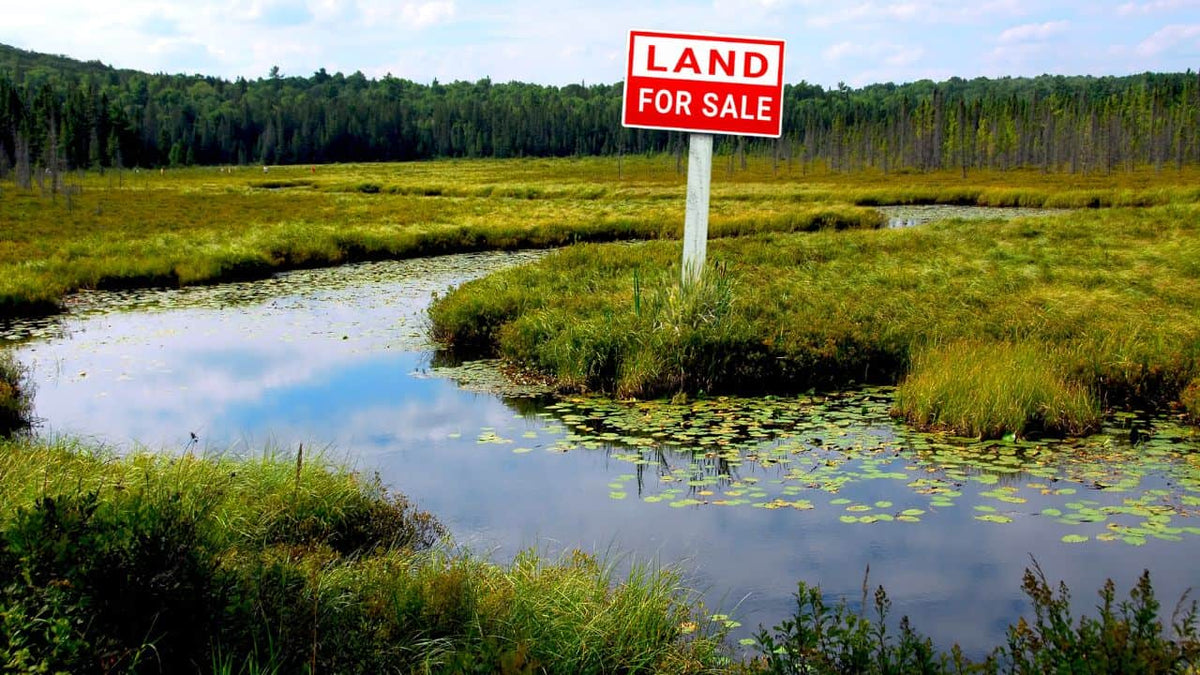
- Flood zones or wetlands
- Terrain and usability
- Any liens or unpaid taxes
Most of this can now be reviewed visually using Land Portal, which makes it much easier to understand what you are buying.If everything looks good, you move forward.
If something seems off, you can renegotiate or walk away.
Step 5: Closing the Purchase
Once the deal checks out, it is time to buy the property. For smaller deals, many investors handle this themselves by preparing a deed and recording it with the county.
For larger deals, a title company or attorney is typically used. At this point, the process is simple. You are signing documents, paying the seller, and transferring ownership. After closing, the property is officially yours.
Step 6: Listing the Property for Sale
Now you shift from buying to selling. The goal here is simple, get as many eyes on your property as possible.
Most investors list their properties across multiple platforms, including Facebook Marketplace, Zillow, and Craigslist.
A good listing does not need to be complicated. It just needs to clearly communicate what the property is and why someone would want it. The strongest listings usually include:
- Clear photos of the property
- A simple description that highlights key features
- Straightforward pricing
Some investors also offer seller financing, which allows buyers to pay monthly instead of all at once. This often increases demand and makes properties easier to sell.
Step 7: Handling Buyer Leads
As your property gets exposure, buyers will start reaching out. Not every message will turn into a deal, and that is completely normal. Your job is to respond quickly, answer questions clearly, and keep things simple.
Over time, you will start to recognize serious buyers. Many of them will come back for future deals, which is how you begin building a buyers list.That list becomes more valuable with every deal you do.

Step 8: Closing the Sale
Once you find a buyer, you move into the final step, closing. For a cash deal, you transfer ownership and receive payment. For higher value deals, a title company may handle the process.
If you are offering seller financing, you will set up a payment agreement and collect payments over time.
This is where your profit is realized.
Step 9: Scaling the Process
After your first deal, everything starts to click. You begin to understand where your best deals come from, how to price them, and how to move faster. Scaling simply means doing more of what works.
That could mean sending more mail, entering new markets, or systemizing parts of your workflow.
Over time, this can turn into a consistent and repeatable business.
Start Flipping Today
Land investing is one of the most beginner friendly ways to get into real estate. It is simple, flexible, and does not require a large amount of capital to start.The key is taking action and learning as you go.
👉 If you want to make this process faster and easier, start by logging into Land Portal. You can find properties, analyze deals, and access everything you need in one place.
🎥 Also check out: How I Made My First 20K Land Deal

Chat with a
land investing
advisor
Discuss any questions you have
about land investing, our online community or courses!